One Step Forward for All-Star Weekend
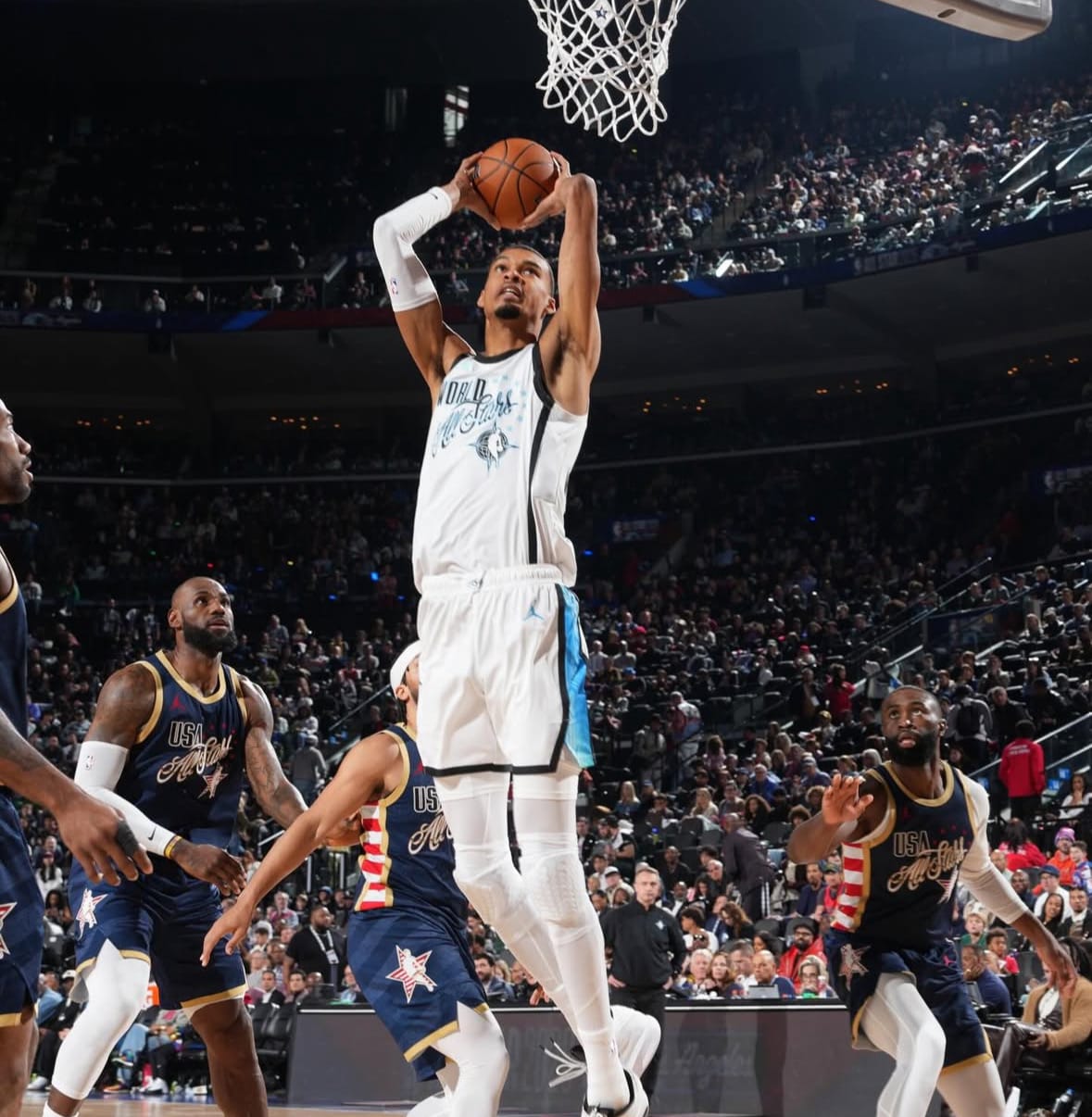
For as long as I can remember, the All-Star Game has been played at a low competitive level, with many players disengaged. This year’s format, however, created a real incentive to compete. Historically, the league’s top players treated the weekend as a break, playing with limited intensity while preparing for the second half of the season. Events like the dunk contest also began lacking true NBA stars, often featuring mostly role players. This year’s game was entertaining largely because of the new structure.
The NBA introduced a format that organized players into a Team World squad and two Team USA squads. Team Stars represented the younger generation of All-Stars, while Team Stripes consisted of veteran players. Four games were played in total: Team World faced each USA team, and the USA teams played each other twice. Young stars such as Victor Wembanyama and Anthony Edwards brought noticeable energy and competitiveness, adding excitement throughout the matchups. Three of the four games were close late, and the final ended with Team Stars defeating Team Stripes by a comfortable margin. Anthony Edwards earned All-Star Game MVP honors, and social media reaction largely praised the new format.
Although the NBA improved the All-Star Game itself, the Dunk Contest still feels like a major issue. This year’s contest featured Jaxon Hayes, Carter Bryant, Jase Richardson, and Keshad Johnson. In the past, the event showcased some of the league’s biggest stars and most explosive athletes, but today many top players see little incentive to participate.
One solution would be to introduce meaningful financial and sponsorship incentives, along with a significant prize for the winner. The NBA could work with major brands to guarantee endorsement exposure simply for participating. Appearance fees, a larger cash prize, and a charity donation tied to the champion would make the event more worthwhile for star players. The league could also build marketing campaigns around contestants in the weeks leading up to All-Star Weekend, turning it into something players can promote rather than a one-night risk. If the contest becomes an opportunity instead of a gamble, top players would be more likely to enter.
NBA All-Star Weekend is one of the league’s biggest opportunities for marketing and partnerships. Teams, agencies, and players gather to network and explore business ventures beyond the game itself. While the NBA has maximized the commercial side of the weekend, it should now continue building an event that fans genuinely look forward to.